Stitch It Back Together: How Finnish Mending Culture Is Quietly Reshaping American Closets
There's a wool sweater hanging in Marta Lindqvist's Brooklyn apartment that's older than most of her houseplants. It belonged to her Finnish grandmother, and it has been mended — visibly, proudly — at least a dozen times. The elbow patches are a slightly different shade of gray. A small geometric darn blooms across the left cuff. To Marta, those patches aren't flaws. They're the whole point.
"In Finland, you don't throw something away just because it got a hole," she says. "You fix it. And you don't try to hide that you fixed it. The repair is part of the story."
That mindset — call it Finnish practicality, call it sisu-driven resourcefulness — is finding a surprisingly receptive audience in the United States right now. After decades of cheap, disposable fashion and a culture that treated worn-out things as embarrassments to be replaced, Americans are starting to push back. And the Finnish tradition of respectful, even celebratory repair is emerging as one of the most compelling blueprints for what comes next.
The Numbers Behind the Needle
This isn't just a vibe shift. The data backs it up. The secondhand and repair apparel market in the US is projected to hit $77 billion by 2025, according to ThredUp's annual resale report. Searches for "visible mending" on platforms like Pinterest and TikTok have exploded in recent years, with millions of views racked up by creators showing off darned socks, patched denim, and embroidered repairs on everything from linen shirts to canvas tote bags.
Repair cafes — community spaces where people bring broken or worn items to fix together — have multiplied across American cities. There are now hundreds of them operating from Portland to Pittsburgh, modeled in part on European community repair traditions that have long been embedded in Nordic culture.
Sustainable fashion designer Priya Mehta, who runs a small Brooklyn-based label focused on slow fashion principles, says she's seen the shift firsthand. "Three years ago, people would bring something in with a tear and apologize for it. Now they come in excited. They want to know how to make the repair beautiful. That's a huge change."
What Finland Actually Does Differently
Finnish mending culture isn't rooted in trend-chasing or aesthetic movements — it comes from something much older and more practical. Finland has long winters, a history of rural self-sufficiency, and a deep cultural resistance to waste. The Finnish concept of talkoot — communal work done together for the good of the group — means that sharing skills, including repair skills, has always been a social act, not a solitary one.
Visible mending, where repairs are intentionally made noticeable using contrasting threads, decorative stitching, or colorful patches, is a natural extension of this mindset. If you've done the work of fixing something, why hide it? The repair is evidence of care. It's a badge of respect for the object and for the labor that went into making it in the first place.
This stands in pretty stark contrast to American consumer culture, which has historically treated repair as a last resort — something you do when you can't afford to replace something, not something you do because you genuinely value what you have.
Learning to See Your Stuff Differently
The good news is that getting into a mending mindset doesn't require a complete lifestyle overhaul. It starts with a shift in how you look at the things you own.
Sustainable textile artist and educator Rosa Kim, who teaches visible mending workshops in Chicago, recommends starting with something low-stakes. "Don't begin with your favorite piece. Start with something you like but aren't precious about — a worn-out pair of jeans, a sweater that's gotten a little felted. Learn the basic stitches. Feel how satisfying it is to bring something back."
Her top practical tips for beginners:
Start with a sashiko stitch. This Japanese running stitch has become a go-to for visible mending because it's simple, strong, and genuinely beautiful. Pair it with contrasting thread on denim or heavy cotton and you'll get a result that looks intentional and cool.
Keep a mending basket. Instead of tossing damaged items in a corner or donating them before they're truly done, designate a basket specifically for things that need attention. Even once a month, sitting down with that basket and a needle is enough to build the habit.
Match the repair to the material. Wool responds well to darning. Denim loves patches — iron-on or hand-stitched. Linen can be beautifully repaired with embroidery. Learning what works where makes the process less frustrating and more rewarding.
Embrace the contrast. The Finnish approach doesn't try to make repairs invisible. Use a thread that's a slightly different color. Add a small embroidered detail around a patch. Let the repair announce itself. That's the whole philosophy.
Beyond Clothing: The Household Angle
The mending mentality extends well beyond the closet. Finnish homes have long practiced a version of repair culture that applies to furniture, kitchenware, and household tools. The idea of korjata — to fix, to correct, to restore — runs through everyday Finnish life in ways that go far beyond fashion.
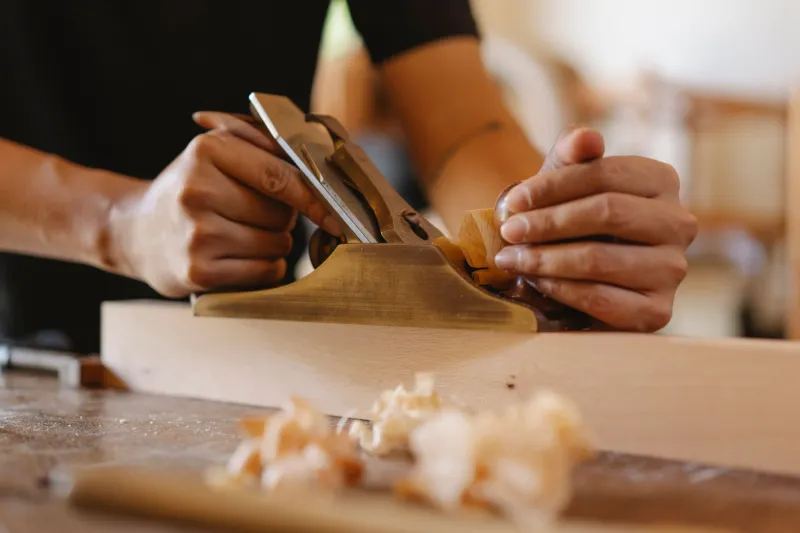
In the US, this is showing up in the growing popularity of furniture repair workshops, ceramic kintsugi classes (the Japanese art of repairing pottery with gold, which shares a spiritual kinship with visible mending), and a renewed interest in learning basic woodworking and upholstery skills.
Marta, the Brooklyn woman with her grandmother's sweater, has extended the philosophy to her apartment. She recently reupholstered a thrift store chair using fabric she'd saved from a worn-out duvet. The chair isn't perfect. But it's hers, and she made it work.
"That's what sisu is to me," she says. "Not giving up on things just because they're hard or imperfect. Seeing the value in what's already there."
The Repair Revolution Is Personal
What makes this moment feel different from past sustainability trends is that it's less about guilt and more about genuine satisfaction. People aren't mending because they feel bad about the environment (though that's a real and valid motivation). They're mending because it feels good — grounding, creative, and quietly defiant in a world that keeps telling you to buy something new.
That feeling? It's got a word for it in Finnish culture. It's sisu. Stubborn, practical, proud care for the things that matter. And it turns out, Americans are pretty hungry for exactly that.