Nothing to Hide: How Finnish Makers Turned Open Books Into Their Biggest Selling Point
Most brands treat their supply chain like a classified document. Ask where the leather comes from, and you'll get a vague reference to an "artisan partner." Ask about labor conditions, and a PR-polished non-answer lands in your inbox three days later. Ask about margins? Good luck.
Finnish manufacturers, by contrast, tend to just... tell you.
It sounds almost too simple. But this instinct toward radical openness — rooted in the same cultural DNA that gave us sisu, the Finnish concept of grit and honest perseverance — is turning out to be one of the smartest business moves in the modern marketplace. And American consumers, increasingly skeptical of corporate spin, are paying close attention.
Why Finnish Transparency Isn't a PR Stunt
In Finland, the cultural norm of suoruus — directness — runs deep. It's not considered rude to skip the pleasantries and get to the point. It's considered respectful. That same value shows up in how Finnish companies talk about their products.
When a small Finnish textile company posts the name of its wool supplier, the farm's location, and the exact dyeing process used on every product page, that's not a marketing gimmick. It's just how they were raised to do business. Hiding sourcing information would feel, to many Finnish makers, like a kind of dishonesty — and dishonesty carries a real social cost in a culture where reputation is everything.
The result is a business model built on verifiable trust rather than curated perception. And in a post-pandemic world where American shoppers have grown sharply more suspicious of greenwashing, vague "sustainably sourced" claims, and fast-fashion sleight of hand, that distinction matters enormously.
What "Open Books" Actually Looks Like
Transparency in a supply chain can mean a lot of different things. At its most surface level, it's listing a country of origin. But Finnish makers tend to go considerably further.
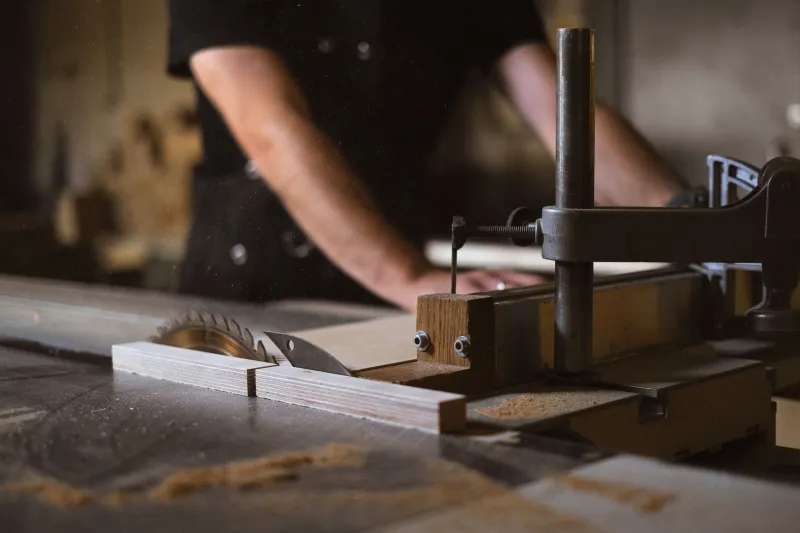
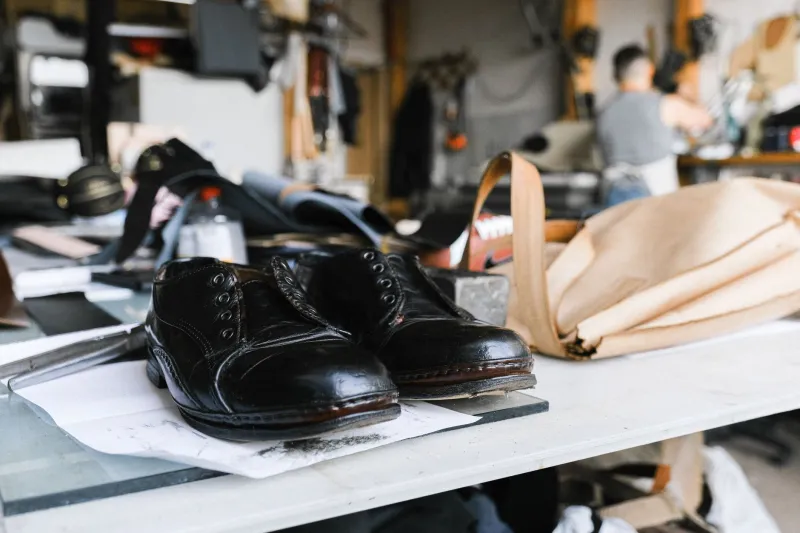
Think: the name of the woodworker who shaped a cabinet's legs. The specific forest region where timber was harvested. The tannery — not just the country, but the actual facility — where leather was treated. Some Finnish brands publish their production costs alongside their retail prices, letting customers see exactly what the markup is and why.
That last move tends to make American business school graduates nervous. Conventional wisdom says you never show your margins. But Finnish companies that have done it report something counterintuitive: customers don't resent the markup. They understand it. When you can see that a $280 cutting board reflects fair wages, quality materials, and a modest profit for a small shop rather than a massive corporate margin, the price feels honest. And honest feels worth it.
The Trust Economy Is Real — and It's Growing
This isn't just a feel-good story. The numbers back it up.
A 2023 survey by Label Insight found that 94% of consumers are more likely to be loyal to a brand that offers complete transparency. Meanwhile, research from Edelman's Trust Barometer consistently shows that trust in institutions — governments, media, big corporations — is eroding. Into that vacuum, small and mid-size brands with genuine stories and verifiable practices are stepping in and cleaning up.
American shoppers, especially millennials and Gen Z buyers, have developed finely tuned radar for inauthenticity. They've grown up watching brands get caught in sourcing scandals, labor violations, and sustainability frauds. They're not just looking for a good product anymore. They're looking for a brand they can believe in — and they'll pay a premium for one.
Finnish makers, almost accidentally, built exactly that kind of brand decades before it became a marketing category.
What Smaller US Brands Can Actually Steal From This Playbook
Here's the good news: you don't need to be a Finnish company to operate like one. The principles are transferable, and the barrier to entry is lower than you'd think.
Start with one honest page. A single "How It's Made" section on your website — one that names suppliers, describes your process, and doesn't hide the rough edges — goes further than a dozen polished brand videos. Customers aren't expecting perfection. They're looking for realness.
Name your people. If a craftsperson's hands touched your product, say so. Give them a name. Show their face if they're willing. This isn't just humanizing — it's accountability, and accountability builds confidence.
Be honest about your limitations. Finnish makers are remarkably comfortable saying things like, "We can't yet source this component domestically, but here's what we're doing about it." That kind of candor doesn't make customers distrust you. It makes them root for you.
Publish your sourcing criteria. What do you require from a supplier before you work with them? Putting that in writing — and making it public — signals that you have standards and that you hold yourself to them.
Don't overclaim. This one's crucial. Finnish directness cuts both ways: don't say you're sustainable if you're still figuring it out. Don't call something handmade if it's partially automated. Overclaiming is what turns transparency theater into a liability. Underpromising and overdelivering is the Finnish way.
The Competitive Moat You Can't Copy-Paste
Here's what makes supply chain transparency so interesting as a business strategy: it's genuinely hard to fake over time. A competitor can undercut your price. They can copy your aesthetic. They can poach your designers. But they can't manufacture a years-long track record of honest sourcing overnight.
Transparency, done consistently and authentically, becomes a moat. Every year you operate with open books is another year of credibility your competitors can't simply purchase. Every supplier relationship you name publicly is a relationship you're motivated to maintain at a high standard — because your customers are watching.
Finnish makers didn't build this advantage through clever strategy. They built it through habit and culture — the same culture that prizes sisu, that values doing the hard thing rather than the easy thing, that believes a well-made object should be able to withstand scrutiny from every angle.
For American brands willing to operate the same way, the opportunity is real. Customers are hungry for something to trust. The brands that show their work — all of it, not just the flattering parts — are the ones that are going to earn that trust for keeps.
The Finnish password, it turns out, isn't a secret at all. It's just the truth.